
Hackers are using fake CAPTCHA verification pages to trick Windows users into running malicious PowerShell commands that install information-stealing software.
The campaign publishes StealC, an information-stealing tool that targets browser credentials, cryptocurrency wallets, Steam accounts, Outlook login data, system information, and screenshots. The stolen data is sent to a command-and-control (C2) server using RC4-encrypted HTTP traffic.
Similar hacks we've already seen in the past.
How the attack works
Attackers inject JavaScript into these sites. When users visit, they are redirected to a fake CAPTCHA page designed to look like a Cloudflare verification screen.
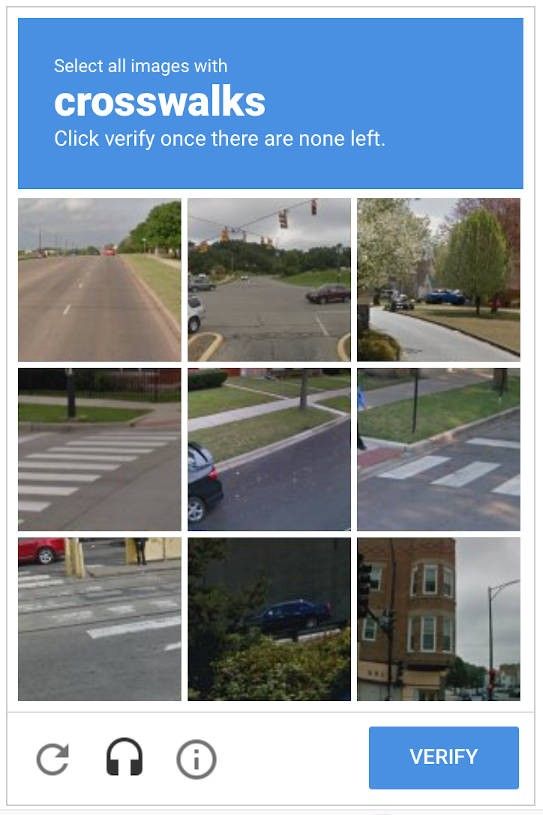
Instead of presenting a traditional image or checkbox challenge, the fake CAPTCHA instructs users to:
- Press Windows key + R
- Press Ctrl + V
- Press Enter
The instructions are framed as part of a verification process.
This technique, referred to as “ClickFix,” exploits user trust in simple keyboard prompts. Victims are made to believe they are completing a routine security check as usual.
What actually happens
When users follow the instructions:
- A malicious PowerShell command is preloaded onto the clipboard.
- Pressing Ctrl + V pastes the command into the Windows Run dialog.
- Pressing Enter executes the script.
The script then connects to a remote server and downloads additional malware components.
Because the command is run manually through the Run dialog, it can bypass some browser download warnings and security prompts.
Once installed, StealC begins collecting stored credentials and other sensitive data, including Outlook account details.
What data is at risk
StealC especially targets:
- Browser login credentials
- Cryptocurrency wallets
- Steam accounts
- Outlook credentials
- System information
- Screenshots
The process uses encrypted HTTP traffic to speak with attacker-controlled infrastructure.
How to protect yourself
This attack depends on user interaction. The key defense is to never execute commands from web pages.
If a website asks you to:
- Open the Run dialog
- Paste a command
- Execute PowerShell
Close the page immediately.
CAPTCHA challenges DO NOT require keyboard shortcuts or system-level commands. Any such request is a huge red flag.
Additional actions include:
- Avoid running PowerShell commands you did not explicitly initiate.
- Keep Windows security features enabled.
- Monitor for unusual outbound network activity if you manage enterprise systems.
- Restrict script execution and enforce application control policies in managed environments.
If you suspect you already run such a command:
- Disconnect the device from the network.
- Run a full security scan with updated protection tools.
- Change passwords for Outlook, email, and other stored accounts from a clean device.
- Enable multi-factor authentication where available.
Why is this attack effective?
The method does not rely on traditional file downloads. Instead, it uses social engineering and psychology to get users to run malicious commands themselves.
By appearing as a CAPTCHA verification, hackers take advantage of a common and widely trusted web interaction.
The attack targets Windows systems specifically, using built-in tools such as PowerShell and the Run dialog.
There is no need for a patch from Microsoft. Because it does not abuse a system vulnerability but rather user behavior.
Thank you for being a Ghacks reader. The post Hackers Use Fake CAPTCHA To Infect Windows PCs appeared first on gHacks.
☞ El artículo completo original de Arthur Kay lo puedes ver aquí