Los planes de la NASA para Artemis III han cambiado bastante desde que se concibió en un primer momento. Puesto que Artemis II ya sobrevoló la Luna, la lógica inicial era seguir en esa misma línea. Sin embargo, por la seguridad de los astronautas y para abaratar los costes, se optó por realizar todas las pruebas de la misión directamente en la órbita terrestre. Más allá de eso, hasta ahora no teníamos demasiada información sobre esta tercera fase del programa lunar. Sin embargo, el pasado 23 de octubre la NASA hizo un comunicado en el que describió paso a paso cuál será el plan y, por supuesto, qué papel tendrán sus dos socios principales: SpaceX y Blue Origin.
Una parada en el camino. Antes de dirigirse por fin a la Luna en Artemis IV, Artemis III se encargará principalmente de probar el acoplamiento con los módulos lunares de SpaceX y Blue Origin. Esto puede hacerse directamente en la órbita terrestre, aunque no demasiado abajo. En su comunicado, la NASA apuntó que las pruebas se realizarán a 555 km de altura, ya que allí habrá más estabilidad térmica. La cápsula Orión se diseñó como nave de espacio profundo, y en órbita terrestre baja los ambientes térmicos son más exigentes, por lo que hay que tener cuidado.
El primer día. Artemis III empezará con el lanzamiento del cohete New Glenn de Blue Origin, cargado con el módulo Blue Moon, y el cohete de la NASA SLS, que se encargará de impulsar la cápsula Orión. A bordo de esta última irán los astronautas Randy Bresnik, Andre Douglas y Frank Rubio, de la NASA, así como Luca Parmitano, de la ESA.
Los cinco primeros días. Durante dos días, la tripulación comprobará los sistemas de Orión. Después, el día 3, la cápsula se acoplará a Blue Moon y pasará otros dos días con él. Uno o dos astronautas entrarán en el módulo, evaluarán el soporte vital y la presión y probarán los sistemas de emergencia del conjunto de ambas naves.

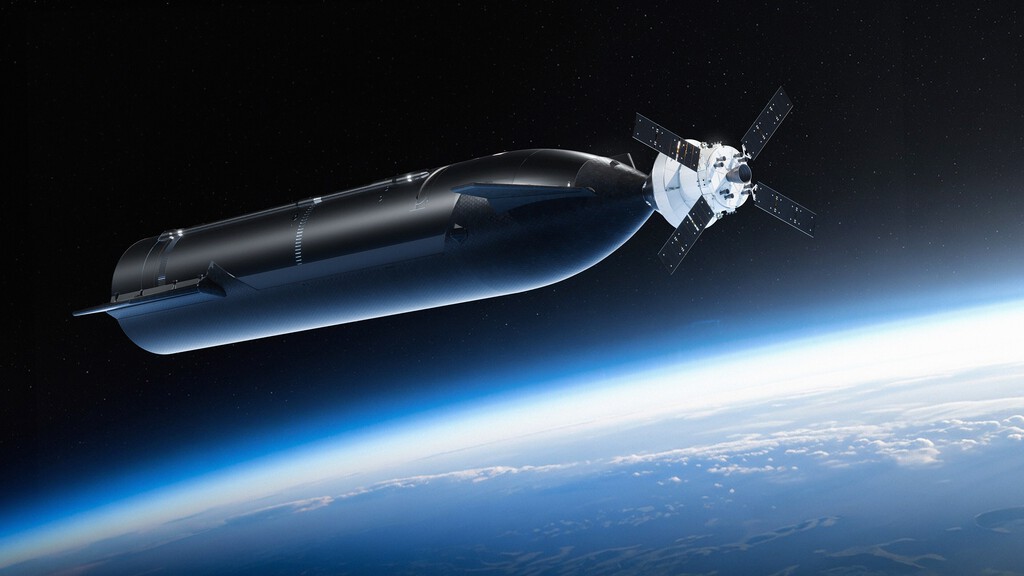
Llega SpaceX. Hacia el día 6 despegará por fin la Starship de SpaceX con un adaptador de acoplamiento en el morro. Se acoplará a Orión el día 8, aproximadamente durante unas dos horas. En este caso, la tripulación no entrará en el módulo lunar, pues sus dos objetivos serán medir la fuerza de acoplamiento y el empuje del conjunto Orión-Starship.
Esto es así porque, si bien en Artemis IV el Blue Moon se acoplará en la órbita lunar, Starship se unirá a Orión en la órbita terrestre y se encargará de empujarla mediante una quema translunar hacia la órbita lunar. El conjunto Orión-Starship viajará así a la Luna, de modo que, una vez en la órbita, dos astronautas puedan quedarse en el interior mientras los otros alunizan.
Trajes de supervivencia a prueba. Otra de las misiones de Artemis III será probar los trajes de supervivencia de la tripulación, algo que no fue posible en Artemis II.
O SpaceX o Blue Origin. Mientras que en Artemis III intervienen las dos compañías, en Artemis IV se seleccionará solo una de ellas. La que mejor preparada esté en ese momento. Por eso, lo que se han ensayado son dos posibles conformaciones. Si se elige a SpaceX, el encuentro tendrá lugar en órbita terrestre, mientras que con Blue Origin se llevará a cabo en la órbita lunar. Ambos se acoplarán a Orión, donde se quedará la mitad de la tripulación mientras que la otra aluniza. Starship, además, impulsará la nave hacia la Luna.
Cabe destacar que no se elegirá uno de los dos módulos lunares para siempre. El objetivo es que se vayan turnando en las sucesivas misiones del programa Artemis.
Retos de SpaceX y Blue Origin. Para poder llegar a la Luna en 2028 con la misión Artemis IV, tanto la NASA como SpaceX y Blue Origin se han visto obligadas a simplificar los diseños de sus naves. Por su parte, las compañías de Elon Musk y Jeff Bezos tendrán que demostrar el buen funcionamiento de sus respectivos módulos lunares para las misiones que se les han encomendado. Parte de esa demostración se llevará a cabo directamente en Artemis III, pero también deben hacer pruebas independientes, como el repostaje en órbita terrestre en el caso de SpaceX.
Fechas disponibles. De momento no hay una fecha exacta de lanzamiento para Artemis III y mucho menos para Artemis IV. Si todo va bien, se espera que la primera se lance en algún momento del verano de 2027 y que la cuarta misión del programa lunar se realice en 2028. Aunque, lógicamente, todo eso dependerá de cómo avancen las pruebas que aún están por delante.
Imágenes | SpaceX
En Xataka | Artemis II no es solo una victoria de la NASA: sin el apoyo de Europa habría sido imposible, literalmente
-
La noticia La NASA revela los detalles de Artemis III, la misión que servirá de ensayo inmediatamente anterior para volver a la Luna fue publicada originalmente en Xataka por Azucena Martín .
☞ El artículo completo original de Azucena Martín lo puedes ver aquí